
Electroplating Filter Pump & Filter Units – Supplier in India
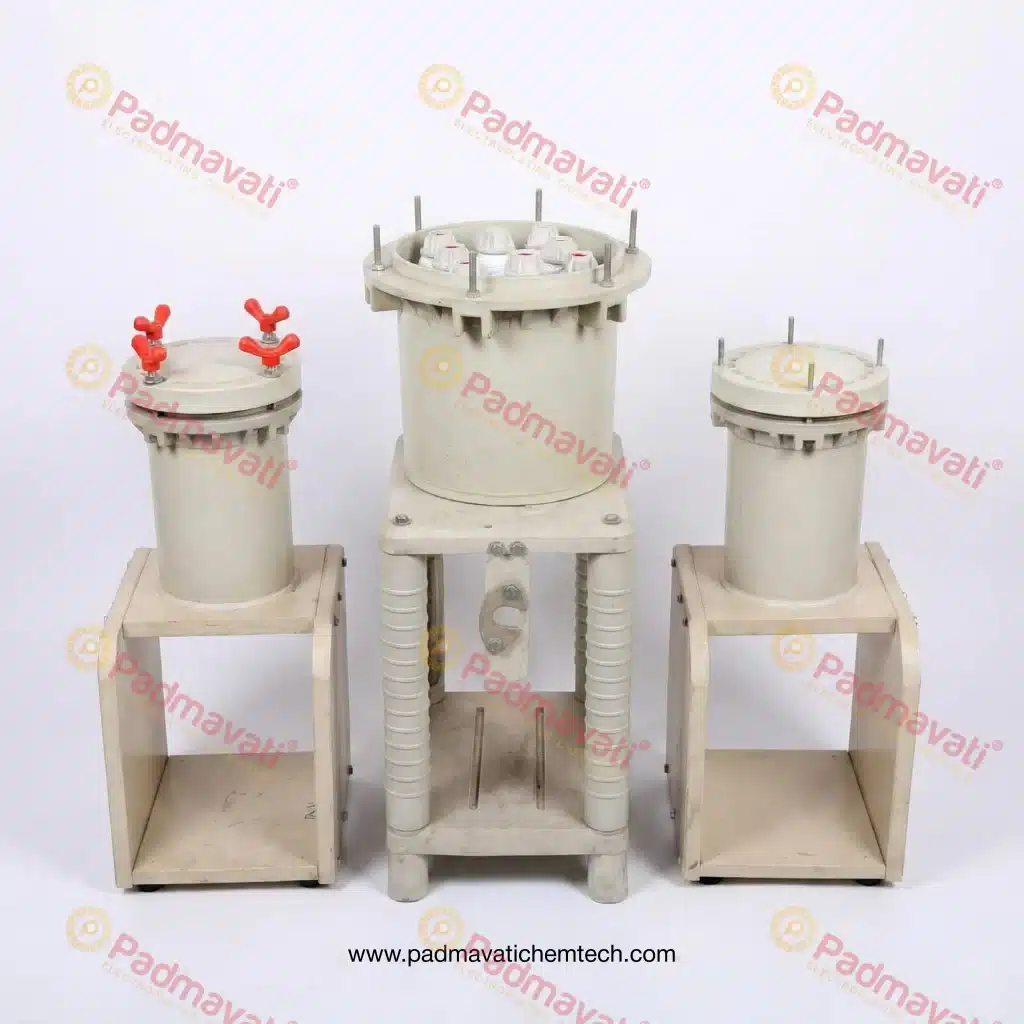
Electroplating Filter Pump & Filter Units
Types: Bag Filter Units, Cartridge Filter Units, PP Chemical Pumps
Why Filtration: Contaminant Removal, Plating Quality Improvement, Solution Longevity
Key Benefits
Continuous removal of dirt and metal particles
Improves plating brightness and uniformity
Extends bath life and reduces chemical wastage
Corrosion-resistant and durable construction
Prevents roughness and surface defects
| No. | Cartridge | Magnetic Pump |
|---|---|---|
| 1 | 1 Nos. | 30 LPM |
| 2 | 4 Nos. | 50 LPM |
| 3 | 8 Nos. | 85 LPM (Single Phase) |
| 4 | 8 Nos. | 85 LPM (Three Phase) |
| 5 | 11 Nos. | 100 LPM (Single Phase) |
| 6 | 11 Nos. | 100 LPM (Three Phase) |
| 7 | Ultra Filter | – |
What Is an Electroplating Filter Pump?
Types of Electroplating Rectifiers include air-cooled rectifiers for standard applications, oil-cooled rectifiers for high-load continuous operations, and high-frequency (SMPS) rectifiers for energy-efficient and precise output control. Variants are available with features like digital control panels, automatic voltage/current regulation, and customization based on plating processes such as gold, silver, nickel, chrome, and zinc.
Types of Filter Units We Supply
Types of Filter Units include cartridge filter units for fine particle removal, bag filter units for high-flow applications, and activated carbon filters for removing organic impurities and discoloration. Options are available in PP, PVDF, and stainless steel construction, with vertical or horizontal designs, depending on chemical compatibility and process requirements in electroplating and surface treatment industries.
Specifications
Electroplating filter pumps are defined by key specifications that ensure efficient filtration and consistent plating quality. Important parameters include flow rate (typically 15–450 L/min), head/pressure (measured in meters), and motor power (ranging from ~0.1 HP to 3 HP or higher).
Why Filtration Matters in Electroplating
Filtration is critical in electroplating to maintain a clean and stable electrolyte. It removes suspended particles, sludge, and contaminants that can cause rough deposits, pitting, and poor adhesion. Proper filtration ensures uniform coating thickness, better surface finish, and consistent plating quality, while also extending the life of the plating solution and reducing defects and rework.
Applications
Filter pumps are used in electroplating for continuous circulation and purification of chemical solutions, ensuring clean and stable electrolytes. They are widely applied in industries such as automotive, electronics, jewellery, and metal finishing to remove impurities, improve coating quality, and prevent defects. These pumps also help extend solution life and maintain consistent production performance.
Price & Enquiry
The price of electroplating filter pumps in India typically ranges from ₹25,000 to ₹80,000+, depending on flow rate, motor power, and material construction. Small-capacity units start around ₹25,000–₹36,000, while higher-capacity industrial filter units can go up to ₹80,000 or more based on specifications and customization.
Frequently Asked Questions
A filter pump is essential in electroplating to keep the electrolyte clean and free from contaminants like metal particles, sludge, and oils. Without proper filtration, impurities can cause rough deposits, pitting, and poor adhesion. Continuous filtration ensures uniform coating quality, reduces defects, extends solution life, and maintains consistent performance in the plating process.
For gold plating filtration, a fine micron rating of 1–5 microns is typically recommended. This range effectively removes very small particles and impurities that can affect the smoothness and brightness of the gold finish. For high-precision or jewellery applications, even finer filtration (around 1 micron) is preferred to ensure superior surface quality and defect-free plating.
The price of an electroplating filter pump in India typically ranges from ₹18,000 to ₹1,30,000+, depending on flow rate, motor power, material, and filtration capacity. Small-capacity units start around ₹18,000–₹36,000, while standard industrial models are usually priced between ₹30,000–₹80,000. High-capacity or fully integrated filter systems can go above ₹1,00,000 based on specifications and customization.
Filter cartridges should typically be replaced every 2 to 6 weeks, depending on usage, contamination level, and filtration load. In high-production or heavily contaminated baths, more frequent replacement may be required. Signs like reduced flow rate, pressure drop, or poor plating quality indicate it’s time to change the cartridge to maintain consistent filtration performance.
Yes, the same filter pump can be used for different plating solutions, but only if it is thoroughly cleaned and compatible with all chemicals involved. Residual contamination from one solution can affect plating quality in another, especially in sensitive processes like gold plating. It is recommended to use separate pumps for critical applications or ensure complete flushing and proper material compatibility before switching.